
20 Years of Lifelines: a research resource built for the long run
In 2026, Lifelines celebrates its 20th anniversary. What began in 2006 as an ambitious population study in the Northern Netherlands has grown into a large, longitudinal research resource supporting scientists across disciplines.
Over the past two decades, Lifelines has collected extensive health data and biosamples from more than 167,000 participants, enabling researchers to study how biological, environmental, and social factors shape health throughout life.
This anniversary year offers a moment to reflect on how the cohort has developed—and how researchers continue to use Lifelines data to explore the determinants of health and disease.
Throughout the year, Lifelines will also highlight the studies, researchers, and participants who have helped build this unique research infrastructure.

Building a cohort for life-course research
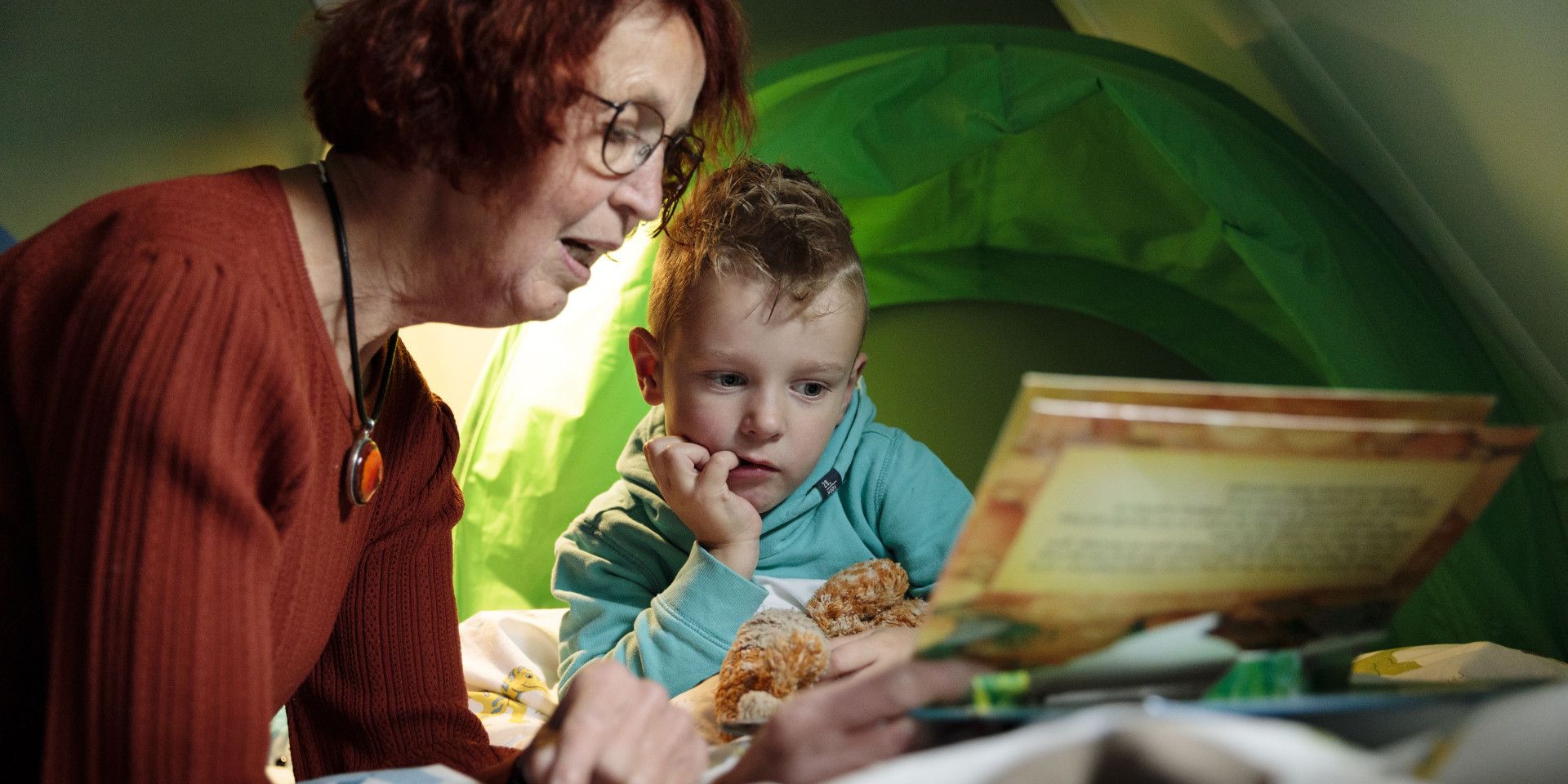
Lifelines was designed to study health across generations and across the life course. The cohort includes children, adults, and older individuals, often from the same families. This three-generation design allows researchers to examine how health and disease develop over time and across family lines.
Participants contribute to the study in several ways:
- Regular questionnaires on health, lifestyle, and wellbeing
- Physical examinations conducted at Lifelines research sites
- Collection of biosamples, including blood and urine
- Repeated measurements over many years
Together, these elements create a rich longitudinal dataset that enables researchers to move beyond single snapshots of health and instead investigate long-term patterns and trajectories.
Supporting research across disciplines
Over the past 20 years, Lifelines has become a widely used research resource. The cohort’s scale and depth allow researchers to investigate a broad range of topics, including:
- chronic disease development
- mental health and wellbeing
- environmental exposures
- lifestyle and behavioural factors
- biological and genetic mechanisms of disease
Because data are collected repeatedly over time, researchers can study changes in health and behaviour, rather than relying only on cross-sectional observations.
Lifelines data and biosamples have contributed to hundreds of scientific publications, supporting research in epidemiology, genetics, public health, environmental health, and other disciplines.
The cohort also offers opportunities for collaboration, including international research partnerships, interdisciplinary studies, and additional targeted data collection.
A long-term commitment
Large population studies rely on long-term participation. Many Lifelines participants have been contributing data for years, making it possible to follow health trajectories across decades.
Their continued involvement allows researchers to investigate how early-life factors, lifestyle, environment, and biology interact to influence health outcomes later in life.
For researchers, this long-term perspective is one of the key strengths of the Lifelines resource.
Looking back—and ahead
Reaching the 20-year mark highlights both the scale of the work behind Lifelines and the opportunities it continues to create for research.
As new technologies emerge and new scientific questions arise, the cohort continues to evolve. Ongoing data collection, new measurements, and expanding collaborations are opening additional possibilities for studying health and disease across the life course.
Throughout 2026, Lifelines will mark its 20th anniversary with a series of stories and highlights that reflect on the cohort’s development and showcase research made possible by Lifelines data.
Researchers interested in using Lifelines—or in learning more about the studies conducted with the cohort—are invited to stay tuned for more updates throughout the anniversary year.