

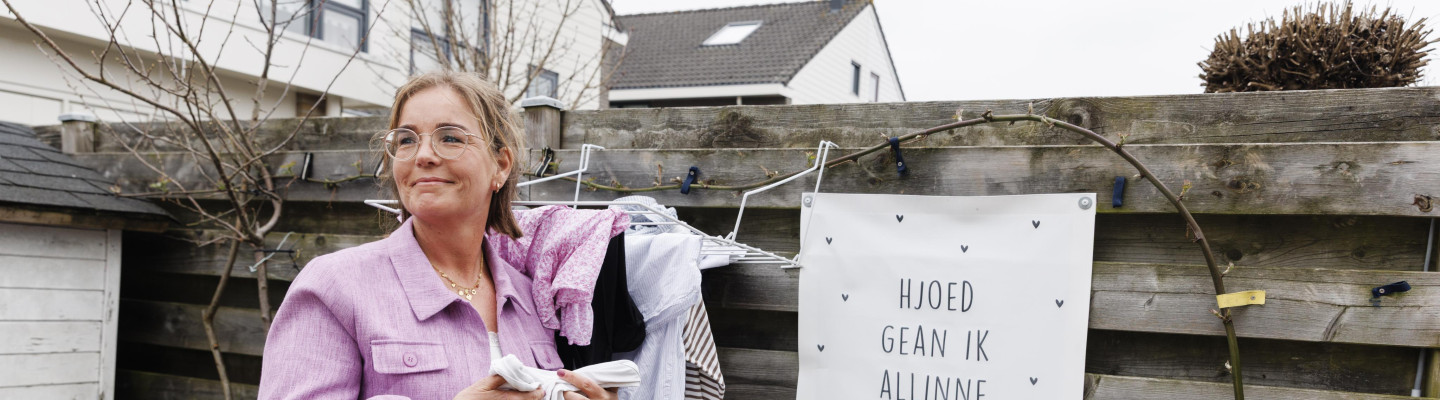
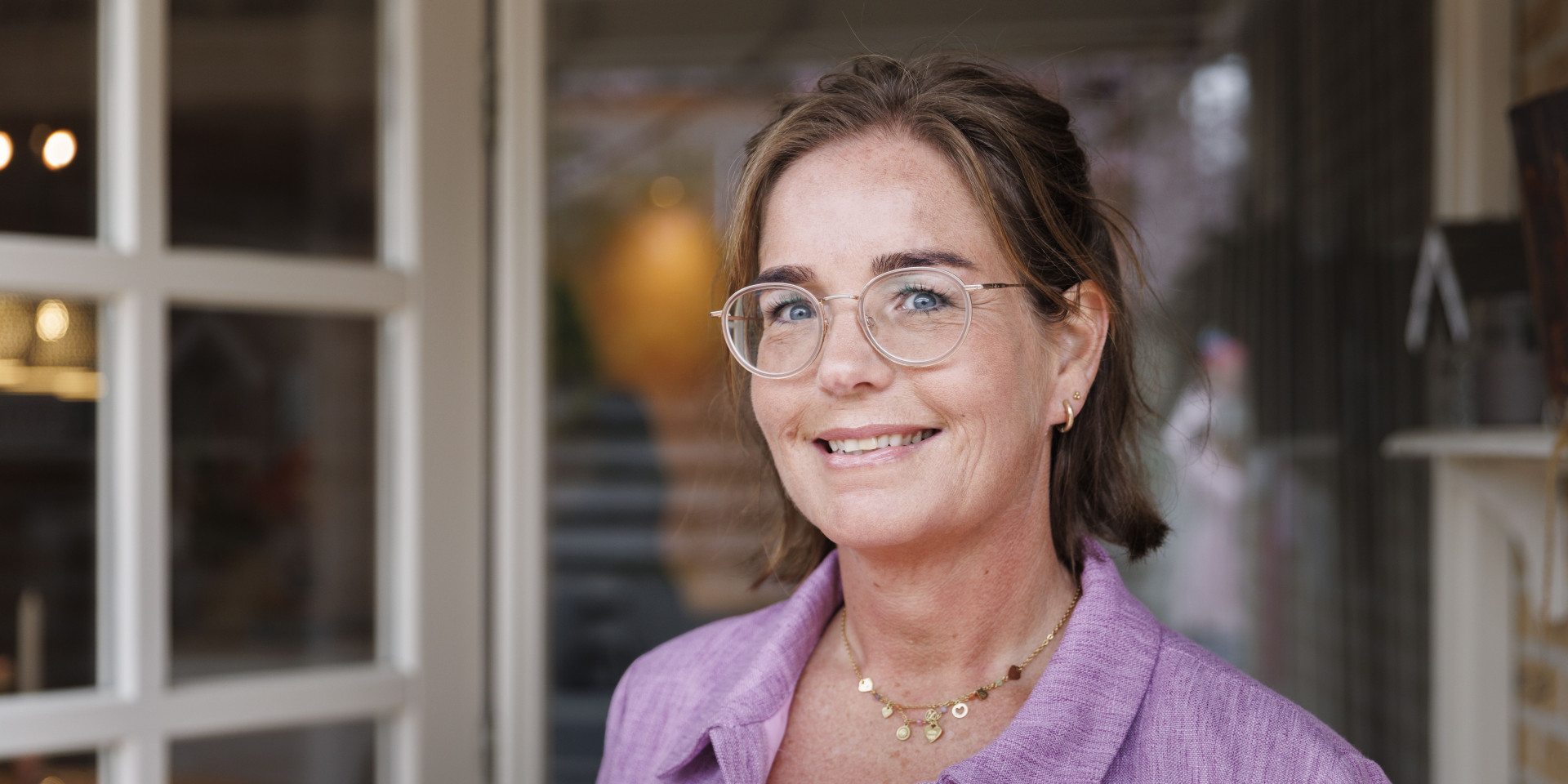
Longitudinal population studies provide researchers with valuable insights into how health and disease develop over time. But behind every data point is a person with their own story. For Lifelines participant Linda (48), a routine visit to Lifelines led to an unexpected discovery that changed her life.
“If I had carried on like that, I wouldn’t be here today”
We’re in Drachten, at Lifelines participant Linda’s home. It’s a lively household, with four children, three cats and always something going on. There’s rarely a quiet moment. Linda worked as a nurse at a GP practice, exercised every day and was hardly ever sitting still. “If I had ‘only’ walked 18,000 steps in a day, I would make sure to reach 20,000.” That all changed in 2022, when doctors discovered that her heart was functioning at just 18% of its normal pumping capacity.
From nurse to patient
For six months, Linda had been feeling tired and experiencing vague symptoms, but nothing suggested anything serious. That changed when, after a visit to Lifelines, she received her results indicating that an abnormality had been detected on her ECG. “At first, I thought, ‘It’s probably nothing,’ but because I had been experiencing symptoms, I decided to contact my doctor anyway.”
From there, things moved quickly. She was referred to a specialist, and within a week, she underwent all the necessary tests and received her diagnosis: heart failure. “I went home with a bag full of medication and a life-changing diagnosis, and in just one week, your whole life has changed.”
Thanks to her Lifelines visit, the abnormality was detected in time, allowing treatment to begin quickly. “If I had kept going the way I was, I wouldn’t be here today. I’m incredibly grateful that my condition was discovered.”
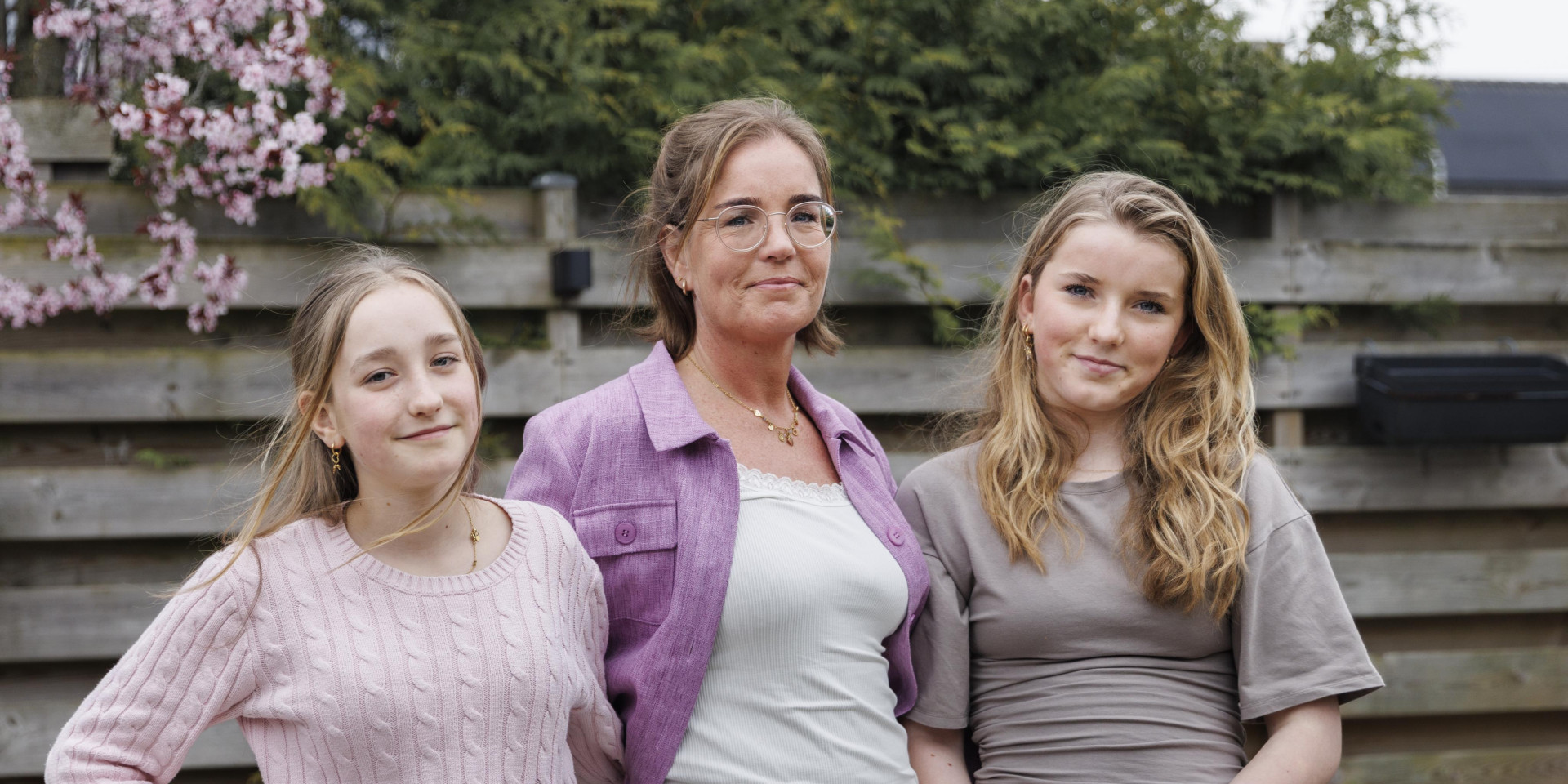
From always going full speed to slowing down
The change is dramatic, especially for someone who has always had an all-or-nothing approach to life. Linda goes from an active lifestyle filled with work, exercise, and taking care of her family to a life where energy is limited and plans are uncertain. “It’s not normal tiredness. You wake up feeling exhausted, and it has nothing to do with what you are doing.”
Linda stops working, initially on a temporary basis. For a year and a half, she tries to return to work, but eventually has to accept that it's no longer possible. “This isn’t going away, this is life now.”
Coming to terms with this is difficult, but it also brings a sense of peace. “What really matters in life? You realize that work is no longer the most important thing. Life is about your family and your health.”
Hiking in the mountains with a pacemaker
Linda starts taking medication and later receives a pacemaker. Her heart rate is extremely low, but with the pacemaker, she is doing well. The technology helps, although it has its limitations. She experiences this firsthand during a hike in the mountains. “I could only take a few steps before I had to sit down again. At one point, I almost fainted.”
Was going on that hike really a good idea? “I’m just not afraid, and that makes a big difference,” Linda says laughing.
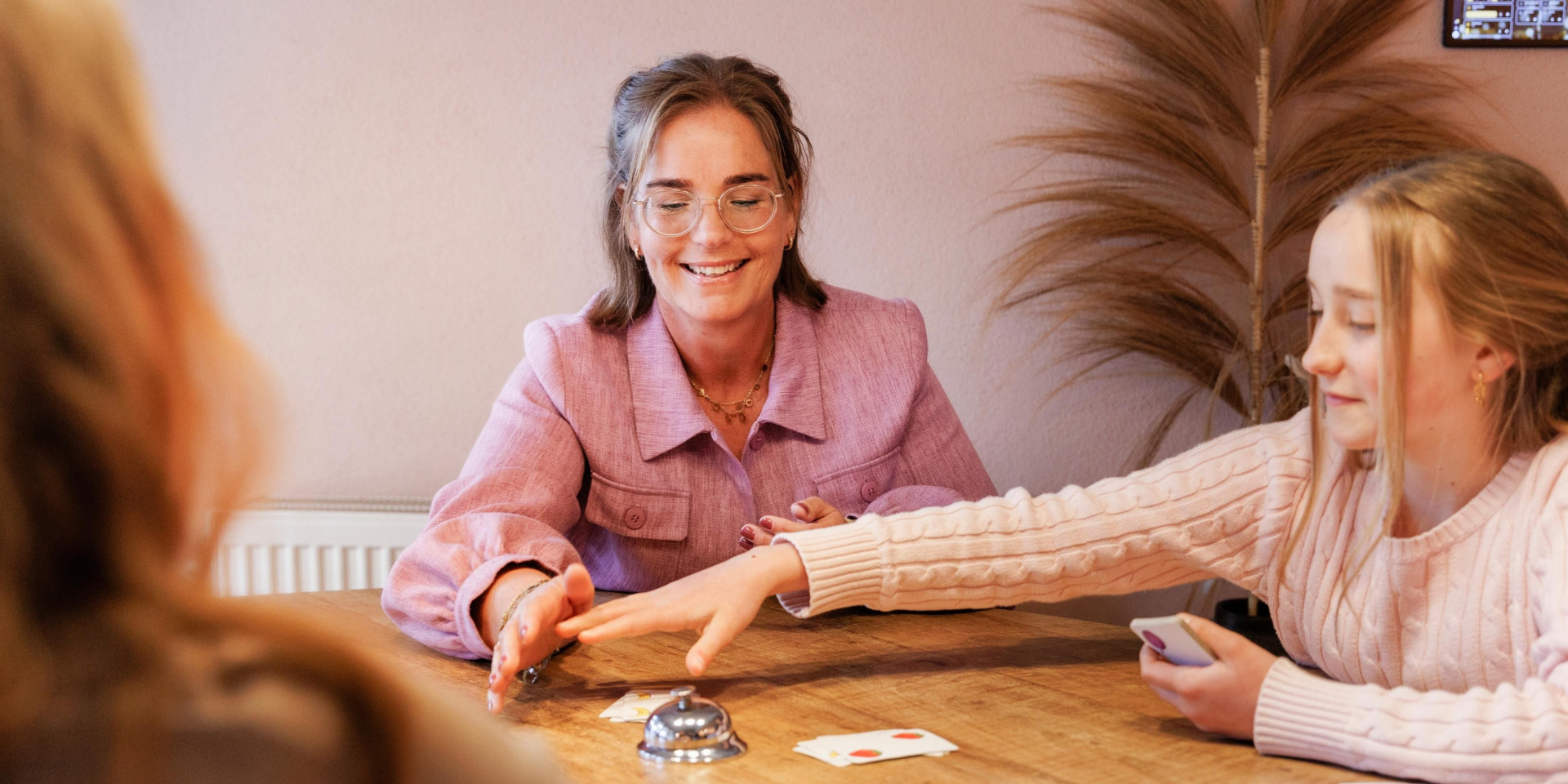
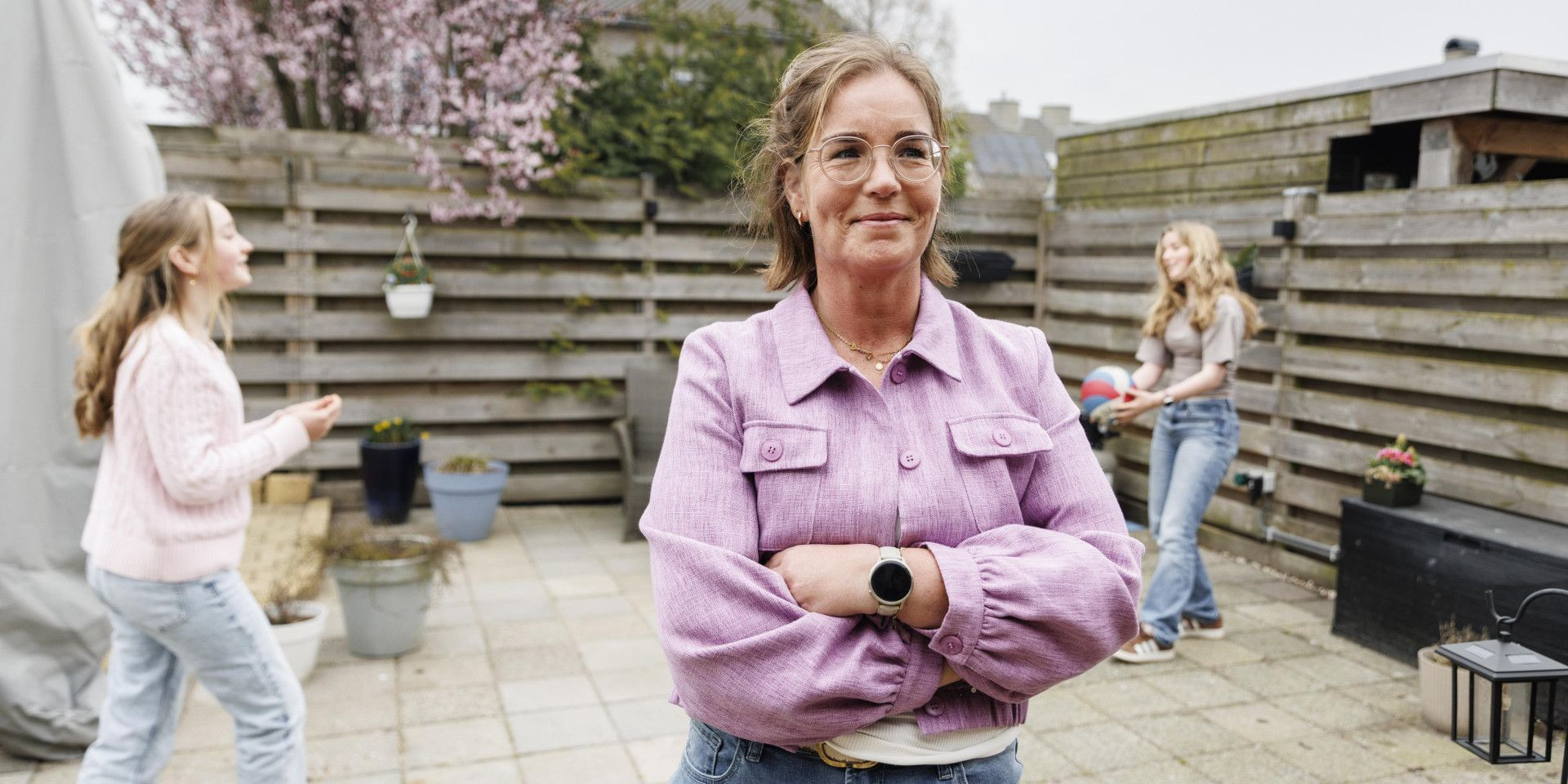
Living in the moment
Through trial and error, Linda manages to find a new groove. She learns to pace herself and starts volunteering. “There are benefits for the kids too, I’m always home.” She tries to stay active, although things are different now. She can no longer run as intensely as she used to, but she has gradually been able to take it up again. “Some days I can run five kilometers, other days just five hundred meters. Either way, it gives me a sense of accomplishment.”
Her mindset has changed, too. Less control, more acceptance. “You can’t control everything, but letting go makes life a lot easier.”
Enjoying life
Linda's life looks different than it used to. She has learned to pace herself, adjust her expectations, and appreciate the little things even more. She doesn't know what the coming years will bring, but slowing down doesn't mean standing still. Linda takes life one day at a time, enjoying time with loved ones, being outdoos, and focusing on what she can still do.
People behind the data
Linda's story illustrates the value of collecting comprehensive health data over time. By following participants across different stages of life, Lifelines provides researchers with unique opportunities to investigate the development of disease, identify risk factors and contribute to earlier detection and prevention. Behind the data are real people, and research has the potential to make a real difference in their lives.