Lifelines welcomes a new generation of participants
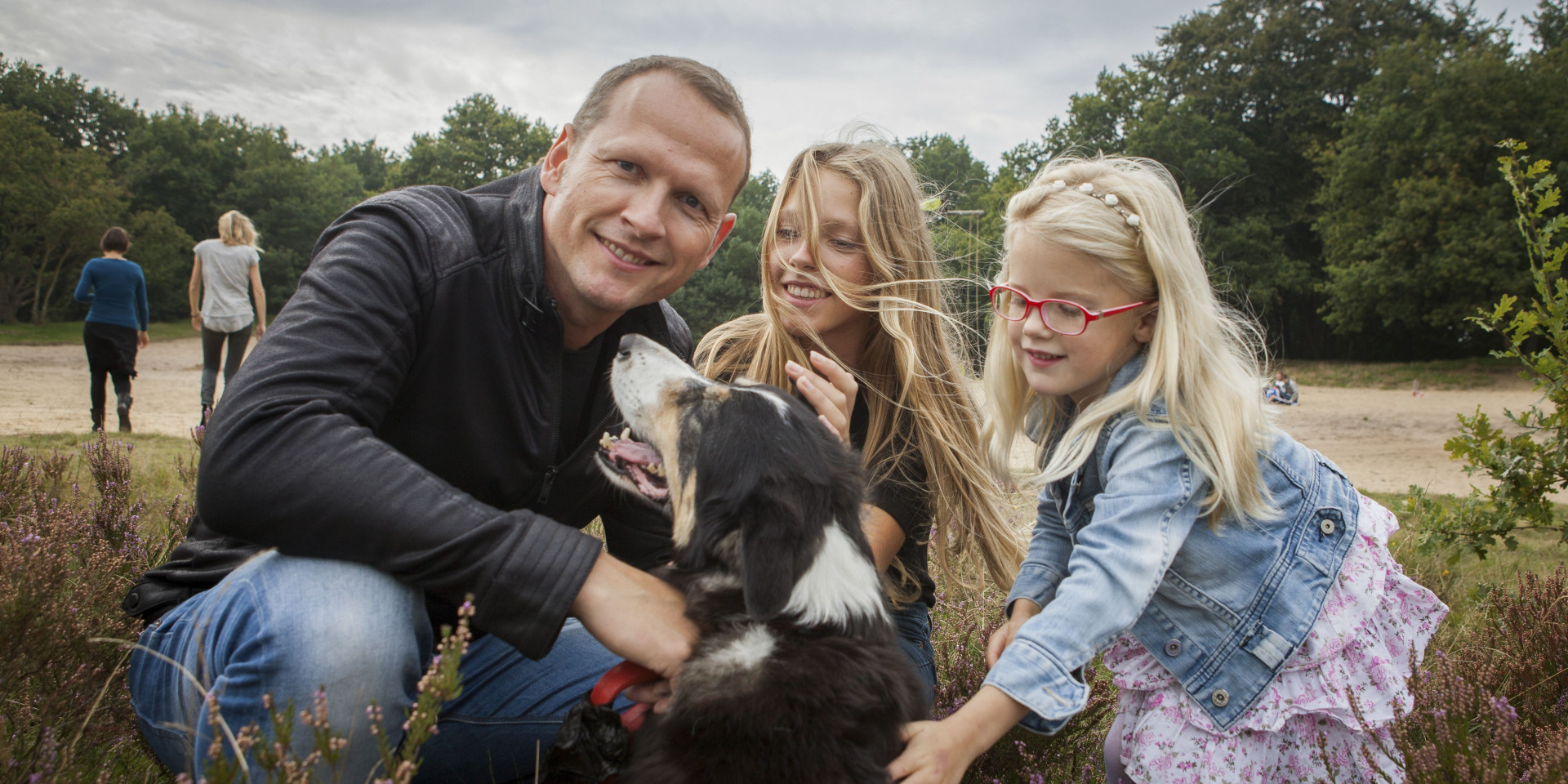
For the first time in 20 years, Lifelines is expanding its cohort on a large scale. Children, grandchildren, siblings and partners of current participants will be invited to join Lifelines. By adding a younger generation, we can follow health within families across more generations and over a longer period.
Adding a new generation to Lifelines
Since 2006, around 167,000 people in the northern Netherlands have participated in Lifelines. Every five years, participants complete questionnaires, undergo physical measurements and provide biological samples. This long-term collection of health data has created a longitudinal dataset that now spans two decades.
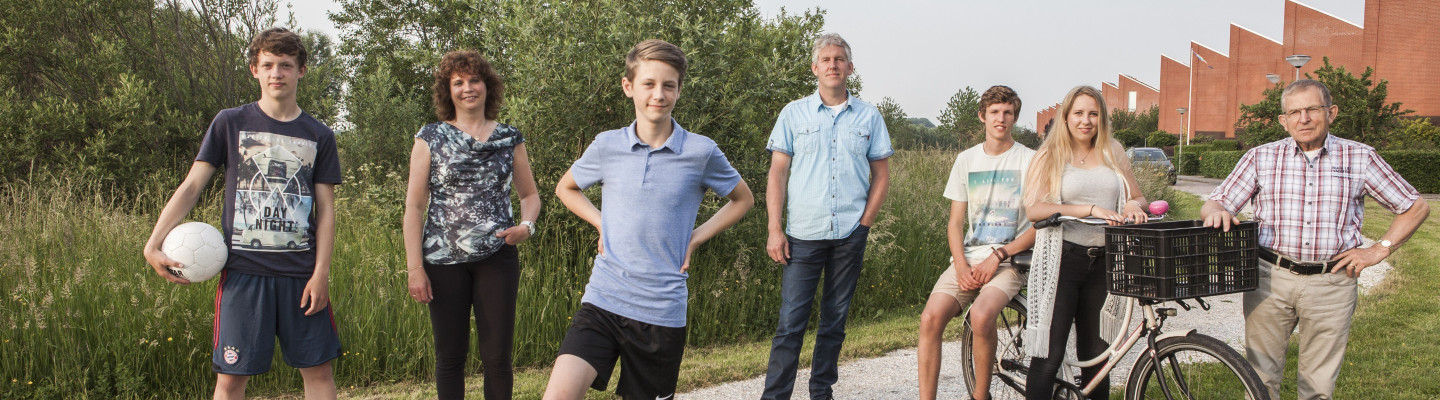
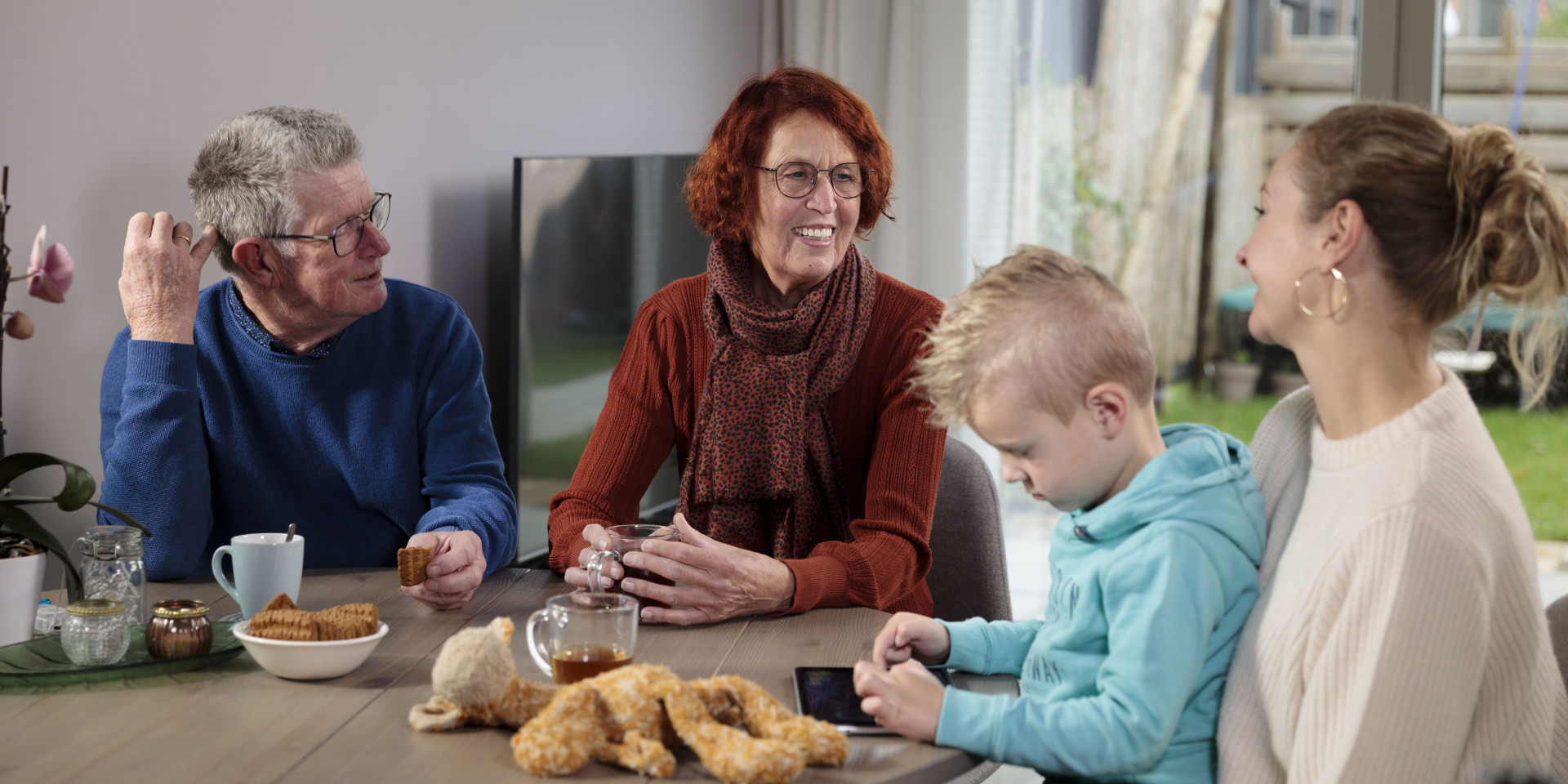
A key strength of Lifelines is that multiple generations from the same families participate, making it possible to examine health and disease across generations and in relation to genetics, lifestyle and environment.
“We have been following some families for more than twenty years. Being able to add a new generation is scientifically very valuable. It gives researchers the opportunity to study health both across generations and over time, helping us better understand why some people remain healthy while others develop disease.”
— Debbie van Baarle, Scientific Director of Lifelines
Who can join?
The expansion is specifically aimed at bringing a younger generation from participating families into Lifelines. New participants therefore cannot enroll independently. They must be aged 40 or under, live in Groningen, Friesland or Drenthe, and be invited by a family member who already participates in Lifelines. Other eligibility criteria also apply.
Funding from Nationaal Programma Groningen and the Province of Groningen makes it possible for Lifelines to welcome this new generation of participants, to continue to strengthen the cohort as a valuable research resource for years to come.