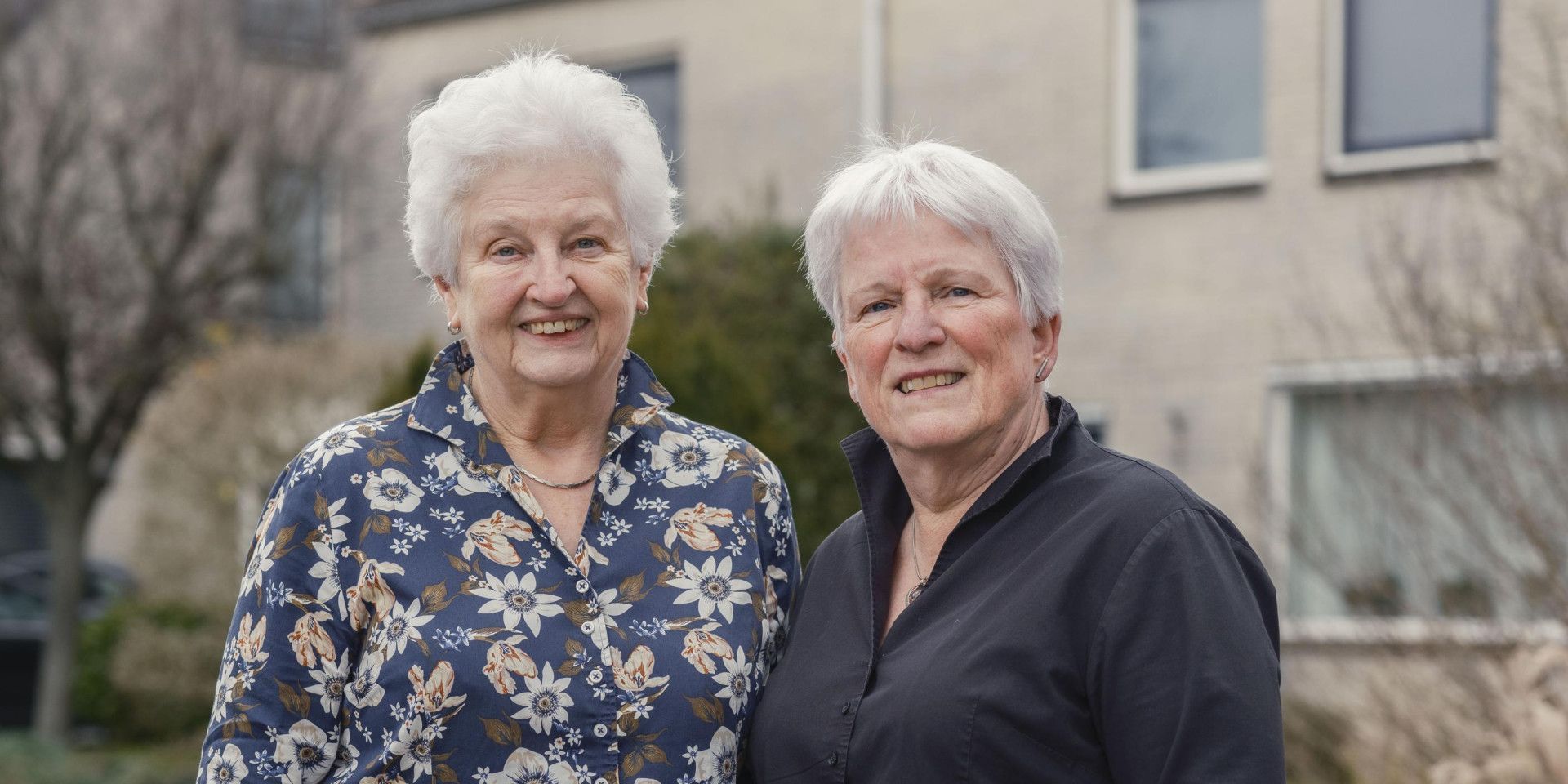
Participation in Lifelines led to the discovery of a rare blood disorder in Cisca (75)
“You think: this only happens to the neighbors. But the neighbors have neighbors too.”
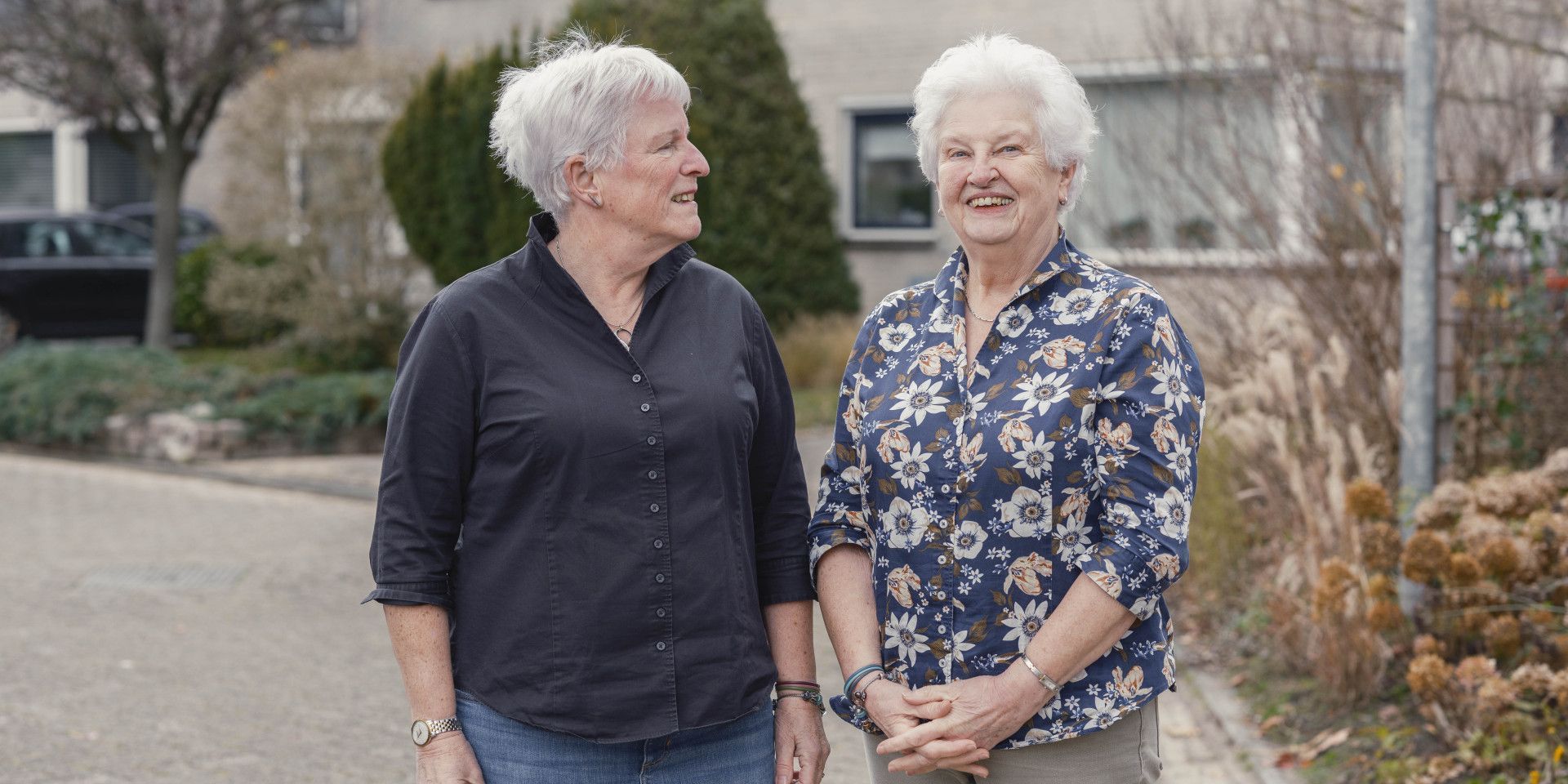
Lifelines participant Cisca (75) and her wife Lida (69) make every day a celebration. Together they visit beautiful places, view art by their favorite artists and architects, and go to museums. They are followed by documentary filmmaker Julia M. Free, who captures the lives of lesbian role models on film. “You shouldn't think, ‘it'll happen later.’ Don't put it off, do it now,” says Cisca about how they fill their lives together with warmth and love. In January 2025, thanks to Lifelines, Cisca discovers that she has a rare, chronic blood disorder.
Coincidence or not?
Cisca and Lida have both been participants in Lifelines since the beginning and faithfully attend their appointment for the fourth round of testing. All the tests are done and after a while the results come in. Three blood values appear to show a slight deviation. Cisca and Lida are both (former) nurses and understand somewhat abnormal results, but this is beyond them. “It could be a coincidence, but it wasn't.” Cisca called her family doctor to have her blood tested again, and again the results were not as they should be. Fourteen days later, she was sitting in the hematologist's office.
“A beautiful name for an evil disease”
After extensive testing, Cisca was told a few months later that she had polycythemia vera. “A beautiful name for an evil disease,” says Cisca herself. It is a rare condition in which too many red blood cells are formed in the bone marrow, causing clotting. “It basically makes your blood thick and sticky,” she explains. With this disease, Cisca has a high risk of heart attack, stroke, and thrombosis of the large veins. Fortunately, the disease is easily treatable with little impact and does not prevent Cisca and Lida from living the life they want.
Health
This is not the first time Cisca has faced health challenges. Ten years ago, Cisca was diagnosed with colon cancer, as was Lida a few months later. However, this new diagnosis felt different from the colon cancer. “The colon cancer was treated and removed, and fortunately it did not return. That was a process with an end. At some point, you can pick up your life again. This condition will remain forever. That is quite a shock,” says Cisca. A chronic illness that will last for the rest of their lives. Yet the diagnosis also felt like a rescue: “If Lifelines hadn't discovered this, they wouldn't have found out until it was too late.”
Pills, injections, and a portable cooler
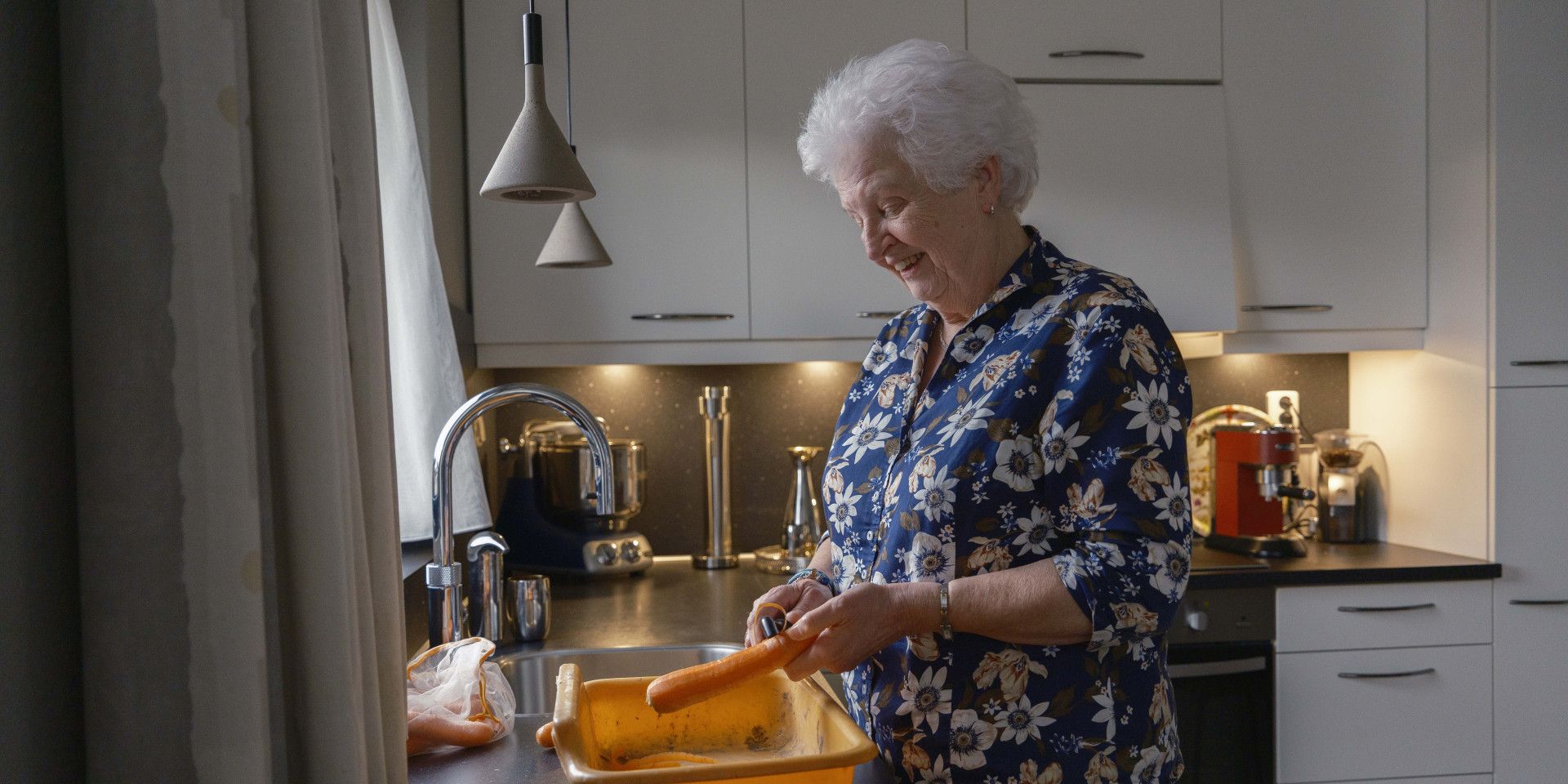
After several months of extensive testing, treatment began and it was a matter of figuring out which medications worked best. She now receives a weekly injection and takes medication daily. Thanks to Lida, her home nurse, Cisca receives her injection at home and can take the cooler with injections with her on vacation. This allows them to maintain their freedom and mobility. People over the age of 60 usually receive a different treatment than Cisca is currently receiving, because vitality and a sharp memory are crucial in this case. But the hematologist saw Cisca's age as just a number and personally argued that there were no obstacles to this treatment.
“The neighbors have neighbors too”
The expectation is that you can live with this disease for 15 to 20 years without any problems. Lida: “But at our age, you naturally get more ailments. Everything becomes more difficult, and that is confronting. There are people in our circle who are getting sick and dying.” Cisca's condition can be treated and controlled, but it cannot be cured. Cisca talks about a statement that has stayed with her: “These kinds of things don't happen to us, they happen to the neighbors. But the neighbors also have neighbors. You think it will pass you by, but that's not the case.”

Moving forward together through life
Usually, with this condition, you only find out you have it when it's too late. It was a blessing in disguise. The blood tests carried out at Lifelines are not all done as standard by GPs. If the ladies hadn't visited Lifelines, Cisca might not have found out about her condition until it was too late.
“You do something good for humanity and this is what you get,” joked the specialist. Cisca saw it differently. “You participate in Lifelines for science, but the fact that it has also benefited me personally is a nice bonus.”
Carry on and enjoy life
For Cisca and Lida, life goes on as usual: with open eyes, love, and humor in the here and now. The diagnosis changed their outlook on the future, but not their attitude toward life.
The daily pill, the weekly injection, and the checkups are now part of their routine. They maintain their sense of humor, make plans, and go out together. “I can do what I want. Maybe I can't jump over a ditch anymore, but if we have to walk 15 kilometers, then we walk 15 kilometers.” And so they walk, full of energy and with the same curiosity, together through Assen and through life.
“Praise and thanks be to God for Lifelines,” concludes Cisca.