


Exploring mitochondrial DNA as an emerging biomarker of inflammation
Could mitochondrial DNA serve as an early biomarker of cardiovascular events? Dr. Laura Bordoni from the University of Camerino (Università di Camerino, Italy) is investigating the potential of mitochondrial DNA as a biomarker of inflammation and cardiovascular health, combining Lifelines biosamples with prospective follow-up data.

Investigating the role of mitochondrial DNA in inflammation
Inflammation plays a key role in ageing and the development of many age-associated diseases. This study investigates mitochondrial DNA (mtDNA) as a mediator of inflammation, with a particular focus on circulating cell-free mtDNA levels and their potential to predict cardiovascular events.
The research aims to determine whether mitochondrial DNA copy number (mtDNAcn), measured in different blood-derived fractions, is associated with cardiovascular disease and could serve as an early biomarker of cardiovascular events. By studying this emerging inflammatory mediator alongside lifestyle exposures, the researchers aim to better understand its potential as a biomarker of health.
Combining biosamples with prospective follow-up data
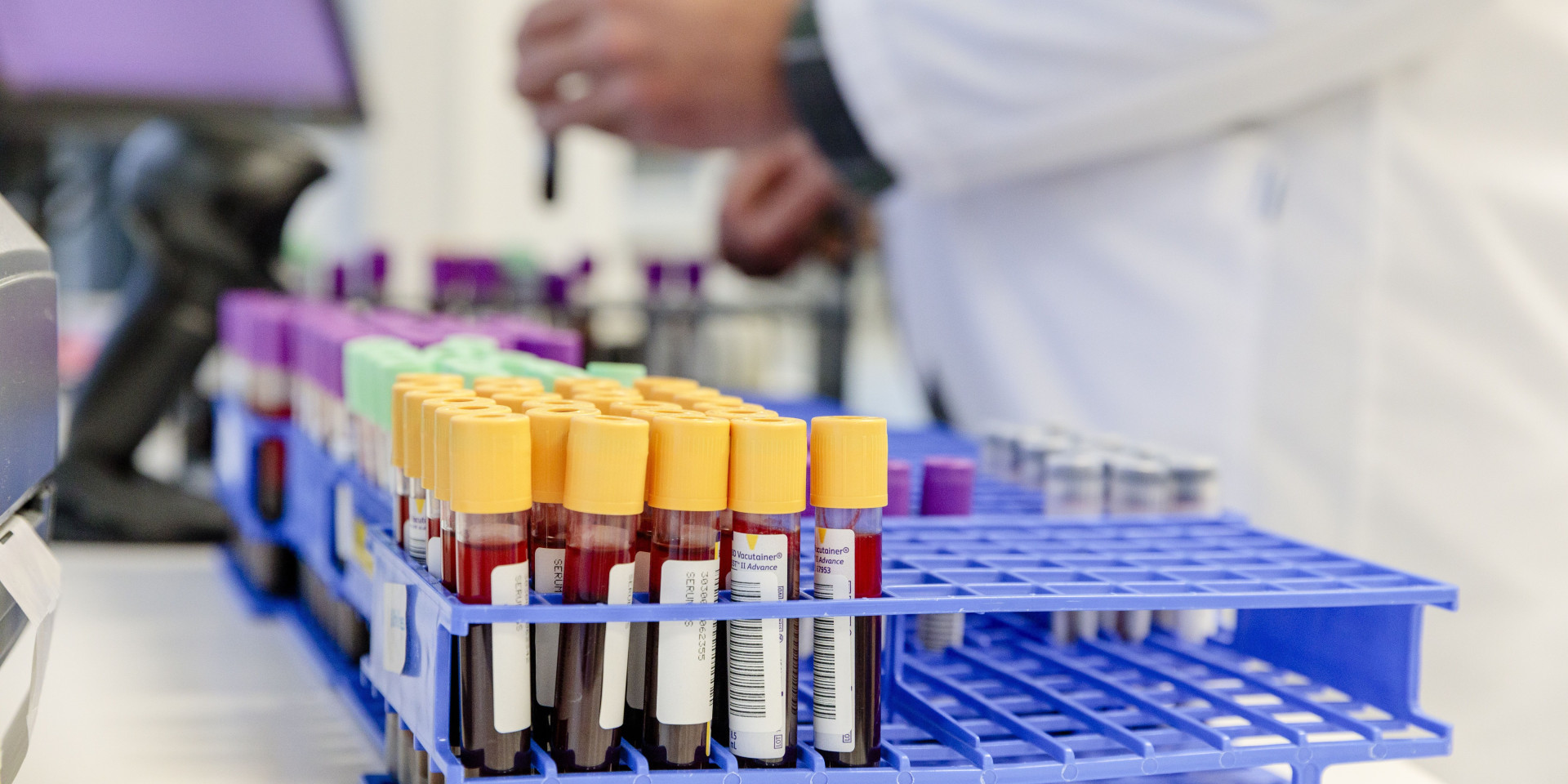
To investigate mtDNA as a potential biomarker of inflammation and cardiovascular health, the researchers are combining matched plasma and DNA samples from the Lifelines cohort with prospective follow-up information.
The biosamples were collected during the baseline assessment, with digital PCR used to quantify mitochondrial DNA. Six years of follow-up data enable the researchers to quantify incident cardiovascular events.
Biosamples and laboratory methods at a glance:
- 150 + 150: matched plasma and DNA samples
- Baseline: samples collected at the baseline assessment
- Six-year follow-up: quantification of incident cardiovascular events
- Digital PCR: quantification of mitochondrial DNA (mtDNA)

Why Lifelines?
Lifelines provides the opportunity to investigate the relationship between lifestyle exposures and emerging molecular mediators of inflammation within a population-based cohort.
By combining detailed information on lifestyle and health status with molecular measurements and prospective follow-up data, the researchers can investigate the potential of mtDNA as a biomarker associated with long-term health.

Contributing to more healthy years
Understanding the role of emerging inflammatory mediators such as mtDNA in cardiovascular health could help identify novel biomarkers and potential targets for prevention and healthy ageing.

Exploring the potential of Lifelines biosamples
This study illustrates how Lifelines biosamples can be combined with detailed lifestyle and health information and prospective follow-up data to investigate emerging biomarkers of long-term health.