


Exploring the role of an anti-inflammatory diet in preventing vascular calcification in kidney disease
Could an anti-inflammatory diet help prevent vascular calcification in people with early-stage kidney disease? Dr. Jeroen de Baaij from Radboudumc is exploring the relationship between dietary patterns, inflammation and risk factors for vascular calcification, combining Lifelines biosamples with health data.
Investigating the relationship between nutrition and vascular calcification
People with early-stage kidney disease have an increased risk of cardiovascular disease. As kidney function declines, phosphate levels in the blood can rise, contributing to vascular calcification. This causes arteries to become stiffer and increases the risk of serious cardiovascular complications, including heart failure and heart attacks.
Early prevention of vascular calcification is therefore essential, and an anti-inflammatory diet may offer a promising strategy to protect both kidney and cardiovascular health.
The research aims to identify which risk factors contribute to vascular calcification and whether an anti-inflammatory diet could help prevent its development in people with early-stage kidney disease. By investigating the relationship between dietary patterns, inflammation and risk factors for vascular calcification, the researchers aim to better understand the potential protective role of nutrition.

Combining biosamples with health data
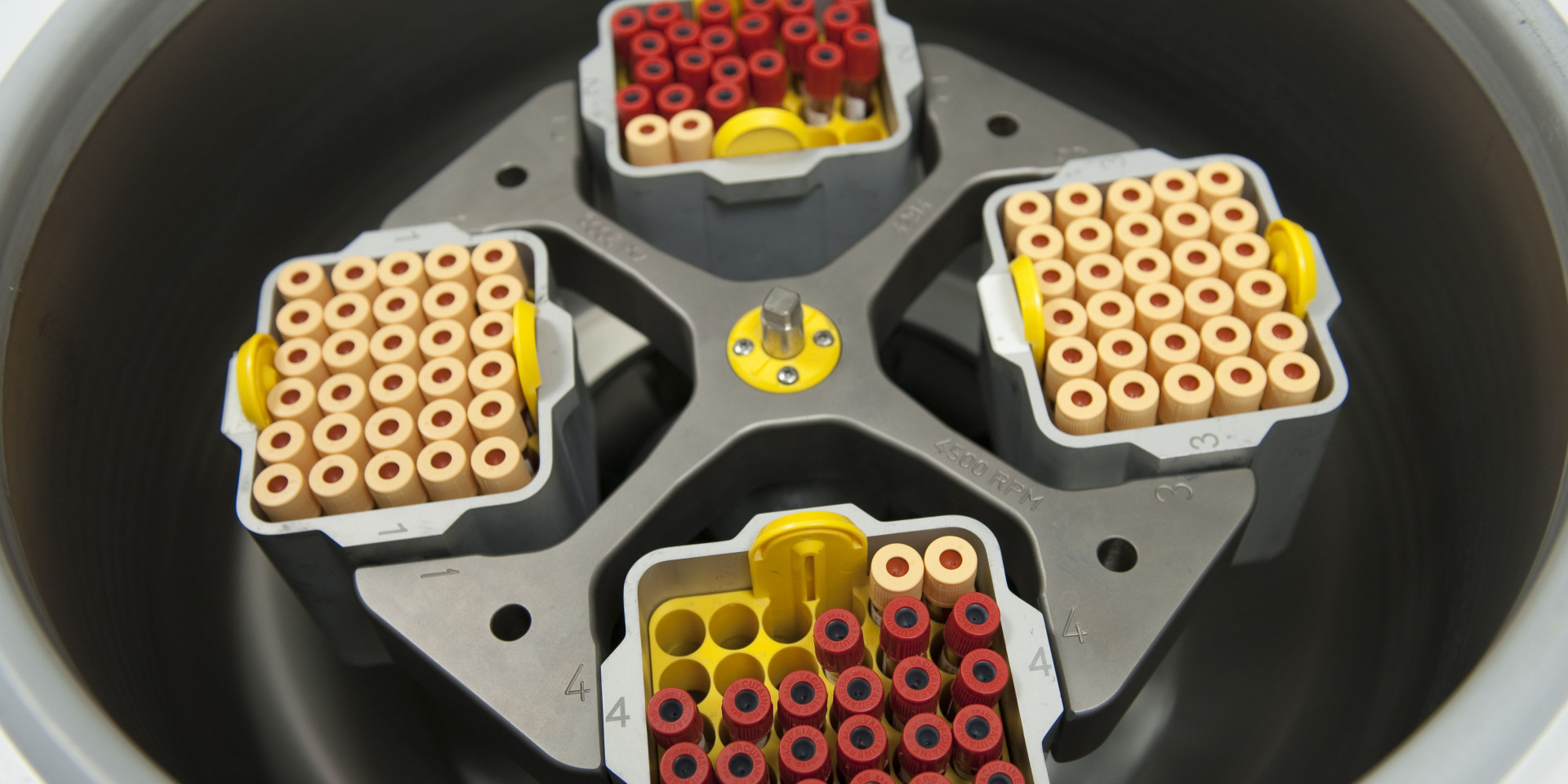
To investigate these relationships, the researchers used 2,520 clot-activated serum samples collected during the Lifelines baseline assessment.
The serum samples were analysed by CALCISCON, an external laboratory in Switzerland, to measure serum T50, an indicator of the susceptibility of blood serum to abnormal calcium deposition.
These serum measurements were complemented by ImaLife data, including information on kidney function (eGFR), phosphate levels and cardiovascular risk factors such as HbA1c, blood pressure and cholesterol.
Biosamples and laboratory methods at a glance:
- 2,520 serum samples: clot-activated serum samples collected during the Lifelines baseline assessment
- Specialised laboratory analysis: measurement of serum T50 by CALCISCON in Switzerland
- Kidney function and phosphate levels: additional measurements from ImaLife data
- Cardiovascular risk factors: HbA1c, blood pressure and cholesterol

Why Lifelines?
Lifelines provides the opportunity to investigate the relationship between diet, inflammation and cardiovascular risk factors within a large, population-based cohort.
By combining biosamples with information on dietary patterns and health, researchers can explore the potential of nutrition to support kidney and cardiovascular health.

Contributing to more healthy years
Understanding how nutrition may help prevent vascular calcification could support the development of early preventive strategies to reduce cardiovascular complications in people with kidney disease.

Exploring the potential of Lifelines biosamples
This study illustrates how Lifelines biosamples can be combined with health and lifestyle data to investigate the relationship between nutrition, inflammation and cardiovascular health.